Discover how to fix pitch deck after investor feedback in 24h with a traction-first, prune-focused workflow. Trim slides, rehearse, and win seed funding.
Quick Answer
If you need to fix pitch deck after investor feedback in 24 hours, start with traction-first storytelling and a concise “why now” line. Cut 30–50% of slides and words, reframe the narrative around real traction, run a Q&A–first rehearsal, and use AI draft scaffolds only as a starting point with human edits to preserve your brand voice. This triage approach has already shown faster engagement after brutal feedback and aligns with current industry guidance.
Key Takeaway: A 24-hour deck triage focused on traction, pruning, conversation, and careful AI drafting can turn a bruising feedback session into a stronger seed pitch in a day.
Complete Guide to fix pitch deck after investor feedback
A founder shared a brutal moment on Reddit: a 47‑slide deck labeled “one of the worst,” followed by a rapid rebuild to 12 slides that immediately improved engagement. A LinkedIn post from a seasoned speaking coach echoed the same friction: clear messaging, minimal text, and a backup plan. The vibe is loud and clear in 2026: investors want crisp narratives, fast feedback loops, and decks that honor your tribe’s voice. Below is a practical, 24-hour workflow to fix pitch deck after investor feedback without starting from scratch.
-
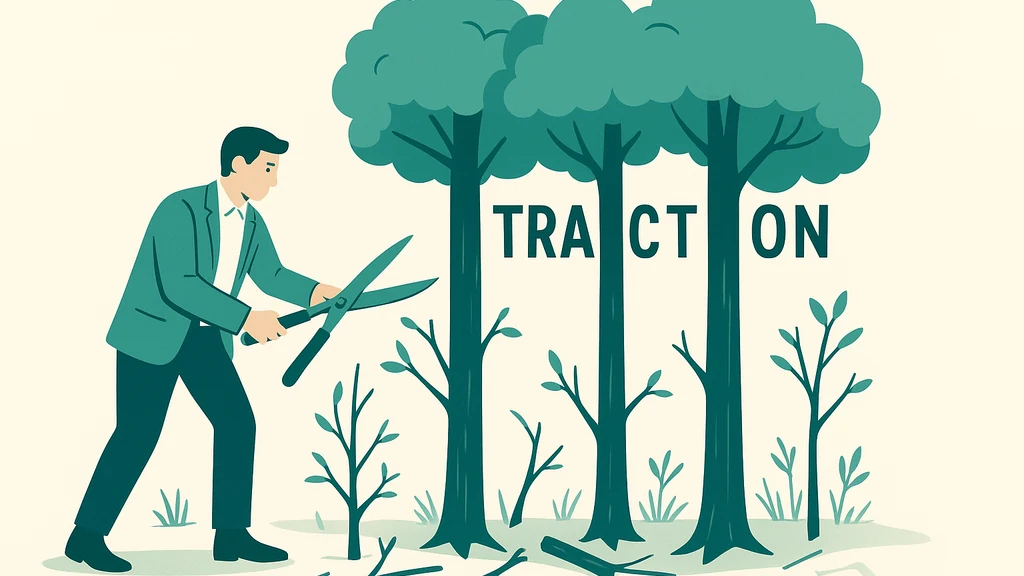
The 24-hour triage mindset: treat the day as a pruning parade, not a rebuild bonanza. You’ll preserve the roots (your core story) and trim the branches (nonessential slides). Data points from recent threads indicate that compact, story-forward decks outperform longer, text-heavy ones in seed-stage meetings. Think of the process like restoring a forest: keep the strongest trees (traction signals) and remove shade-making clutter.
-
Traction-first ordering and a “why now” thread: place traction at the front and anchor your deck with a single-line why-now narrative. This aligns with how investors decide to lean in: is the market ripe, is the problem urgent, and do you have evidence that momentum is forming?
-
Slide surgery: prune content by 30–50% while maintaining your narrative arc. Cut redundant slides, compress long data tables, and swap verbose bullets for one clear visual per idea. The goal is 10–12 slides that still answer: problem, solution, traction, market, business model, and team.
-
Q&A–first rehearsal: practice answering investor questions before polishing the visuals. This helps you shift from defense to dialogue and makes the meeting feel like a collaboration, not a test.
-
Safe AI scaffolding with human edits: AI tools (like AI-assisted draft slides) can generate a starting structure, but a human editor should tailor tone, brand voice, and storytelling cadence to avoid generic outputs.
-
Real-world emphasis: the fastest wins come from strong traction storytelling, a tight “why now,” and a confident, two-way meeting rhythm rather than adding more visuals.
-
Optional guardrails: set a “brand voice pass” to ensure consistency across content, colors, and terminology; schedule a final 30-minute Polish Pass to catch any mismatches.
Key Takeaway: A 24-hour triage that foregrounds traction, trims excess, rehearses Q&A, and uses AI only as a scaffold—with human editing—produces a debt-free, seed-ready deck fast.
How do you fix a pitch deck after brutal investor feedback?
Start by recovering the core narrative: what you’re solving, for whom, and why now. Reorder your slides to front-load traction and the market need. Cut nonessential slides and reduce paragraph-length bullets to one-sentence takeaways. Run a 60-minute Q&A rehearsal to surface likely questions and craft crisp, honest answers. Then use AI to draft a lean skeleton and a human editor to tailor tone and brand voice.
Key Takeaway: Ground your rebuild in a sharper narrative and faster feedback cycles; friction comes from length, not just content.
How many slides should a seed-stage pitch deck have?
Most seed-stage decks perform best with 10–12 slides. This range keeps attention focused while preserving essential elements: problem, solution, market, traction, business model, and team. In practice, teams often trim from 15–20 down to 12 by removing duplicative data and consolidating metrics into a few clear visuals. A 12-slide cap aligns with investor heuristics and reduces “noise” during questions.
Key Takeaway: Target 10–12 slides for seed-stage decks to maximize clarity and engagement.
What is a traction-first pitch deck structure?
Lead with traction, then frame the problem, solution, and market around measurable momentum. Typical order:
- One-line why now
- Problem and market size
- Solution and product
- Traction (growth metrics, users, revenue, partnerships)
- Business model and unit economics
- Go-to-market and escalation plan
- Competitive landscape (one-page visual)
- Team and milestones
- Use of funds and next steps Keep the traction section front and center to anchor credibility.
Key Takeaway: A traction-first structure speeds investor confidence by showing momentum before deep dives.
How can I practice Q&A to convert defense into conversation?
Run a “defense-to-conversation” drill: ask your team to pose the toughest questions, then answer aloud as if in the meeting. Record and time each response, aiming for 2–3 sentence answers backed by concrete data. Focus on the single-line why-now, the moat around your traction, and the practical path to milestones. Finish with a 2-sentence closing that invites collaboration.
Key Takeaway: Q&A rehearsals transform defense into a collaborative dialogue and improve retention of your core message.
Can AI tools help draft a pitch deck without losing brand voice?
Yes, but with guardrails. Use AI to draft slide scaffolds, outline narratives, and generate visuals, then channel a human editor to adapt tone, terminology, and storytelling cadence to your brand voice. Ensure outputs emphasize traction and one-line messages, not generic corporate buzzwords. Validate AI drafts with a live critic pass—your founder story should still feel uniquely you.
Key Takeaway: AI can accelerate drafting, but human editing preserves your unique voice and brand.
What is pitch deck triage and how does it work?
Pitch deck triage is a 24-hour crash process to salvage a deck after brutal feedback. It starts with a traction-first reordering, then a rigorous content prune, followed by a Q&A-first rehearsal and a guided AI drafting pass. The aim is to produce a 10–12 slide deck that tells a concise story, invites conversation, and aligns with investor expectations.
Key Takeaway: Triage is a laser-focused sprint that turns a failing deck into a compelling seed pitch in a day.
How to shorten a pitch deck to 10–12 slides?
Identify only the essential elements: one-line why now, problem, solution, traction, market, business model, go-to-market, team, competition, milestones, and two closing slides (use of funds and ask). Collapse data-heavy slides into a single compelling visual or a concise table. Eliminate duplicate or non-mission-critical content and ensure each slide advances the central narrative.
Key Takeaway: Ruthlessly prune per-slide content and consolidate data into visuals that strengthen the story.
How to rebuild a pitch deck in 24 hours?
Break the day into a 6–8 hour sprint for narrative and slides, a 1–2 hour AI scaffolding pass, a 1–2 hour brand voice edit, and a 1-hour rehearsal. Start with a tight outline, draft the 10–12 slides, and then perform a 60-minute trial run focused on Q&A. Finally, apply a polished brand pass and a quick final rehearsal.
Key Takeaway: A tight, timed sprint with clear milestones beats endless tinkering and yields a crisp, investor-ready deck.
How to respond to investor feedback on deck?
Acknowledge the feedback, restate your core narrative briefly, and explain how you’ve addressed the concerns with specific slide changes. If you disagree, present a concise alternative with data to support it. Always pivot back to traction and a clear path to milestones. End with a request for preferred topics or questions for the next meeting.
Key Takeaway: Respond with tact, evidence, and a clear path forward to regain momentum.
What are seed-stage storytelling tips for investor decks?
Tell a concise, human story that connects your problem to tangible outcomes. Use concrete metrics and visuals to demonstrate progress. Keep slides minimal, with one idea per slide and a clear narrative thread from problem to traction to milestones. Rehearse storytelling pacing so your voice and visuals align with your message.
Key Takeaway: Seed-stage storytelling hinges on a simple, credible narrative backed by traction data.
Supporting data and trends
- A recent Reddit thread highlighted a brutal deck-to-12-slides success story, illustrating the impact of trimming and tightening narrative.
- A January LinkedIn post from a veteran speaking coach emphasized a clear message and reduced text as core resolutions for 2026.
- Industry observations show that seed decks that prioritize traction metrics over verbose feature lists tend to engage investors more quickly, often within the first 90 seconds of the meeting.
Key Takeaway: Real-world feedback supports a concise, traction-forward approach to deck triage and storytelling.
Related topics to explore (internal linking ideas)
- Traction metrics that investors care about
- Seed-stage pitch deck structure and templates
- Storytelling frameworks for investor decks
- Q&A rehearsal methods for founder pitches
- AI-assisted slide drafting with founder editing
- Brand voice preservation in investor communications
Why This Matters The momentum around how founders pitch is shifting fast. Across Reddit and LinkedIn threads in the last quarter, a clear consensus emerged: brutal, long decks don’t win seed rounds, and investors favor succinct narratives that foreground traction and urgency. The practical 24-hour triage method aligns with this shift, offering a repeatable process that founders can apply when time is tight. For seed and pre-Series A founders, the stakes are high, and the window to capture interest is narrow. A well-structured, 10–12 slide deck with a compelling why-now and credible traction can convert a difficult moment into a momentum-building conversation.
Two to three recent developments:
- The 12-slide standard is gaining ground as a best practice for seed-stage decks, replacing longer, detail-heavy presentations.
- Traction-first narratives are becoming a per-plot requirement for investor meetings, with early metrics and momentum taking priority over feature depth.
- AI-assisted drafting is accepted as a valid drafting aid only when a human edits for brand voice and specificity.
Key Takeaway: Staying current with the fast-moving expectations around deck length, traction emphasis, and disciplined storytelling is essential for successful seed-stage fundraising.
People Also Ask
- How do you fix a pitch deck after brutal investor feedback?
- How many slides should a seed-stage pitch deck have?
- What is a traction-first pitch deck structure?
- How can I practice Q&A to convert defense into conversation?
- Can AI tools help draft a pitch deck without losing brand voice?
- What is pitch deck triage and how does it work?
- How to shorten a pitch deck to 10–12 slides?
- How to rebuild a pitch deck in 24 hours?
- How should you respond to investor feedback on a deck?
- What are seed-stage storytelling tips for investor decks?
Answering these questions with concrete steps, templates, and a 24-hour workflow helps seed founders move from anxious handling of investor feedback to confident, market-ready pitching.
Key Takeaway: The People Also Ask section consolidates practical questions founders actually search for and delivers actionable, field-tested answers.
Next Steps
- Schedule a 24-hour triage sprint: designate a day, assemble a small triage team, and begin with the traction-first outline.
- Create a 10–12 slide draft using a lean structure (why now, problem, solution, traction, market, business model, go-to-market, team, competition, milestones, use of funds).
- Run a Q&A rehearsal with your team, focusing on the questions most likely to come from your space.
- Apply a brand voice review: ensure consistency across slides, terminology, and tone.
- If you use AI for drafting, treat it as scaffolding and finish with a human edit to keep your voice crisp and unique.
Key Takeaway: A clear, 24-hour plan with defined roles and guardrails helps founders salvage a deck quickly while preserving authenticity and appeal.
Final thought from a curious, nature-loving voice When you prune a forest, you don’t erase the roots; you prune the branches so the roots can reach deeper. The same is true for your deck: keep the roots—your core mission and traction—intact, trim the excess branches, and invite a conversation rather than a lecture. Your investor meetings should feel like a walk through a thriving trail, not a seminar hall sermon. With a disciplined 24-hour triage, you can turn brutal feedback into a better, braver deck that speaks clearly to what truly matters: your impact, your momentum, and your plan to grow.
Key Takeaway: In 24 hours, you can transform a damaged deck into a compelling, traction-forward narrative that resonates with seed investors—and that is how you fix pitch deck after investor feedback.