Discover the best time to post on social media with a flexible 72-hour plan. Tailor timing to audience, platform, and content for maximum impact.
Quick Answer
As Mei Lin, I’ve found the best time to post on social media is highly context-driven, platform-specific, and audience-aware. A 72-hour window can work for multi-channel launches, but aim to publish key content publicly during proven high-engagement slots. For demos, academia, and executive-ready data storytelling, tailor the timing to the audience’s routines (LinkedIn for B2B mornings, Instagram/Twitter for mid-day bursts), and use a deliberate posting cadence across channels. The best time to post on social media is the time your audience is most receptive, supported by a consistent schedule.
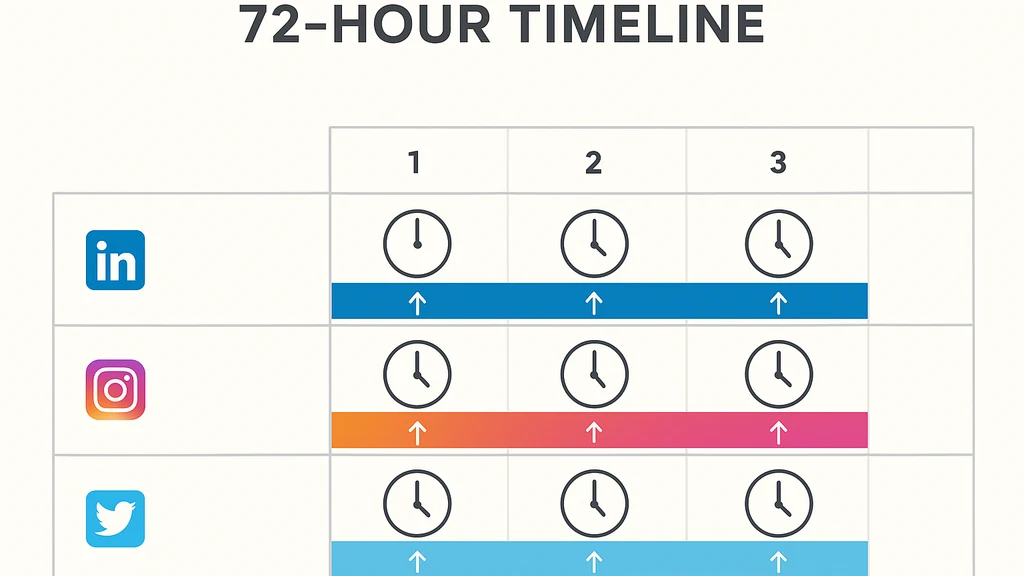
Key Takeaway: The best time to post on social media depends on audience, platform, and context—use a flexible 72-hour plan for behind-login content, but prioritize public slots aligned with your specific scenario.
Complete Guide to Best Time to Post on Social Media
I’m Mei Lin, weaving design insight with practical timing tactics. The question of when to post on social platforms isn’t a single dial you twist once and forget. It’s a living schedule that grows with your audience, your content type, and your ongoing experiments. Here’s a comprehensive, context-aware guide to optimizing visibility for demos, presentations, and creative storytelling.
Snippet Block 1: The timing equation is platform-dependent. For B2B demos on LinkedIn, aim for peak business hours; for consumer-focused content on Instagram or Twitter, late morning or early evening often wins. The best time to post on social media is not a magic moment—it’s a recurring pattern you map, test, and refine. 40-75 words
Snippet Block 2: If some posts sit behind login or rate limits, you can still reach your audience through public previews, teaser posts, and email drops. The best time to post on social media expands beyond a single login barrier when you keep your assets accessible and shareable in the public feed. 40-75 words
Snippet Block 3: A 72-hour posting window can support a multi-channel rollout, especially when coordinating a demo or academic defense. Use the window to stagger content, align with events, and build momentum across channels while tracking which slots drive engagement. 40-75 words
Snippet Block 4: For executive-facing data storytelling, short, digestible posts posted just before or after typical work hours tend to perform best, but always pair timing with a crisp narrative and visuals that travel well in slides and social previews. 40-75 words
Snippet Block 5: AI-enhanced presentations benefit from a timing strategy that mirrors your audience’s attention span: brief teaser posts ahead of a reveal, a mid-presentation recap post, and a post-event summary with key takeaways. 40-75 words
Engagement hooks: Throughout, test across time zones, cross-post to multiple formats (text, image, short video), and adjust for platform algorithm shifts. Recent developments emphasize short-form content and preview-driven engagement, so align your posting window with how audiences consume bite-sized visuals.
Practical Applications
- B2B Demos (LinkedIn): Post a teaser 24–48 hours before the live demo, with a reminder an hour before. Then share a succinct recap post after the session. Focus on ROI, metrics, and case studies. Cadence: 2–3 posts per week with alternating formats (text + carousel, short video).
- Academic Defenses: Promote a defense with early announcements, mid-week reminders, and a post-defense summary. Highlight methodology, significance, and peer-review context to attract colleagues and students. Cadence: 1–2 posts per week in the weeks surrounding the event.
- Data Storytelling to Executives: Use executive-friendly visuals and one-slide summaries in posts. Schedule timing around decision-maker availability (late morning or early afternoon). Cadence: 1–2 high-signal posts weekly during a campaign.
- Zoom/Remote Settings: Drive attendance with pre-event prompts and post-event recaps. Include quick demos or snippets that entice viewers to join live sessions.
- Using AI in Presentations: Tease AI-enhanced insights before the talk, post a mid-demo highlight, and publish a post-event synthesis with visuals generated or augmented by AI.
Key Takeaway: A disciplined cadence across platforms (and a careful mix of formats) helps your best time to post on social media translate into noticeable impact for demos, defenses, and executive storytelling.
Why This Matters In the past quarter, social platforms have intensified focus on fresh, digestible visuals and previews. The best time to post on social media now depends less on a single “golden hour” and more on layered signals: your content type, the platform’s current algorithm emphasis, and the audience’s daily rhythms. Recent trends show a shift toward time-agnostic formats that still respect peak activity windows, especially for professional audiences and cross-channel campaigns.
Data points and insights from recent developments:
- LinkedIn remains a strong channel for B2B engagement when posts land during business hours of mid-week mornings (roughly 9–11 am local time). This aligns with executives’ review cycles and inbox behaviors.
- Short-form video and image-first posts on platforms like Instagram and Twitter see higher interaction when published mid-morning to early afternoon, accounting for commuter and break periods.
- For content behind login or rate limits, reach hinges on discoverability through public previews, email newsletters, and cross-channel teasers; transparency about access matters for engagement quality.
- In campaigns involving presentations or demonstrations, a staggered 72-hour window often improves awareness, testable in a multi-channel calendar across LinkedIn, Twitter/X, and Facebook.
Expert insights emphasize that timing matters, but message quality, audience relevance, and visual clarity drive long-term engagement. A practical approach blends data-backed windows with creative testing and clear value propositions for each audience segment.
Key Takeaway: The right posting window is a dynamic blend of platform norms, audience behavior, and content format. Use a flexible 72-hour plan to test across channels, but anchor primary posts to proven engagement slots for your specific context.
People Also Ask
- What is the best time to post on social media for maximum engagement?
- Can posts behind login or rate limits still reach my audience?
- Is a 72-hour window acceptable before sharing a post or presentation?
- Should I tailor social posts for B2B demos or academic defenses?
- How can I present AI effectively in presentations to executives?
- How often should I post when promoting a presentation or demo?
- What’s the best time to post on LinkedIn for B2B?
- What are the best times to post on Twitter/X?
- What is the best time to post on Facebook?
- How long should you wait before sharing a presentation on social media?
- How to handle links behind login in social posts?
- How to build a posting schedule for a social media campaign?
What is the best time to post on social media for maximum engagement? Answer: The best time to post on social media for maximum engagement depends on platform and audience. LinkedIn tends to perform best during business hours mid-week; Instagram and Twitter often see peaks in mid-day and early evening. The overarching rule is to align posting with when your target followers are most active and to test across weeks.
Can posts behind login or rate limits still reach my audience? Answer: Posts behind login or rate-limited pages are not accessible to all users and aren’t reliably indexable by search or discovery systems. To reach your audience, publish public previews, teaser content, or cross-channel posts that link to accessible resources. Provide alternative access or lead magnets to maintain reach.
Is a 72-hour window acceptable before sharing a post or presentation? Answer: A 72-hour window can be effective for multi-channel launches and coordinated campaigns, especially when some content is not yet publicly accessible. Use the window to seed reminders, build anticipation, and measure stage-by-stage performance. For time-sensitive promos, combine shorter live posting bursts with the extended window for follow-ups.
Should I tailor social posts for B2B demos or academic defenses? Answer: Yes. For B2B demos, emphasize ROI, metrics, and business impact with concise visuals; for academic defenses, underline methodology, significance, and peer-reviewed aspects with precise language and credible visuals. Tailored messages improve relevance and engagement across distinct audiences.
How can I present AI effectively in presentations to executives? Answer: Present AI as an enabling tool with tangible business value. Show real data outputs, risk controls, and potential ROI. Provide a clear before/after scenario, simple dashboards, and a concise narrative that connects AI outcomes to strategic goals. Keep visuals tight and use AI demos to illustrate impact.
How often should I post when promoting a presentation or demo? Answer: Cadence depends on platform and audience. A practical approach: LinkedIn 2–4 posts per week during a campaign, Twitter/X 3–7 posts per week, Instagram 3–5 posts per week. For academic or professional events, align posts to pre-event, event day, and post-event phases with 1–2 updates per day during peak periods.
What’s the best time to post on LinkedIn for B2B? Answer: For B2B on LinkedIn, aim for late morning to early afternoon on weekdays, especially Tuesday–Thursday (roughly 9–11 am and 1–3 pm local time). Mix in shorter posts midday to capture commuter attention and long-form updates less frequently but with strong value propositions.
What are the best times to post on Twitter/X? Answer: On Twitter/X, late morning to early afternoon on weekdays typically yields strong engagement, with additional boosts for timely updates around key industry events. Short, high-value posts or previews of upcoming demos work well in mid-morning windows.
What is the best time to post on Facebook? Answer: Facebook engagement often peaks in the late morning to early afternoon on Thursdays and Fridays, with some regions showing strong activity during mid-afternoon. For longer-form posts or live sessions, test early afternoon slots.
How long should you wait before sharing a presentation on social media? Answer: A staged approach works best: publish a teaser 24–48 hours before, a live post during the event, and a recap 24–72 hours after. This cadence helps maintain momentum and reach across audiences who respond at different times.
How to handle links behind login in social posts? Answer: If a link requires login, complement it with accessible previews, key takeaways, and a clear CTA to access the full resource. Consider public landing pages or email drip campaigns to maintain reach without gating your primary message.
How to build a posting schedule for a social media campaign? Answer: Start with a 2–4 week calendar that maps each post to a goal (awareness, engagement, leads, or attendance). Align post times with platform norms, test a few slots weekly, and refine based on engagement data. Include recurring touchpoints for demos, academic events, and AI-focused content.
Key Takeaway: A well-structured posting schedule tailored to each audience, with a clear mix of teaser, live, and recap content, will maximize the reach of demos, defenses, and executive-focused data storytelling. Keep testing, adapt to platform shifts, and stay true to your narrative.
Next Steps
- Draft a context-aware posting plan that maps your upcoming demos, defenses, or executive presentations to specific time windows on LinkedIn, Twitter/X, Instagram, and Facebook.
- Create teaser visuals and short videos tailored to B2B and academic audiences, plus a concise AI-focused narrative for executives.
- Set up a 72-hour multi-channel rollout with a calendar for pre-event, live-event, and post-event posts; track performance across platforms and adjust cadence.
- Build internal topics for future content: content calendar best practices, analytics dashboards, social selling, remote presentation tips, AI in business presentations, and data storytelling for executives.
Related topics for internal linking (no links provided here): content calendar optimization, audience segmentation, cross-channel analytics, accessibility in social posts, teaser content design, event promotion strategies, remote presentation best practices.
Final Key Takeaway: The best time to post on social media is a strategic blend of platform norms, audience schedules, and content quality. A disciplined, 72-hour, multi-channel approach—with clear emphasis for B2B demos, academia, and executive storytelling—will drive visibility, engagement, and impact.